

More Options, Greater Value: Introducing Flexible cPGuard Pricing & Plans Built for Every Scale
More Options, Greater Value: Introducing Flexible cPGuard Pricing & Plans Built for Every Scale At OPSSHIELD, our goal has always been to provide enterprise-grade web security that is both robust and accessible. As hosting environments evolve, server...
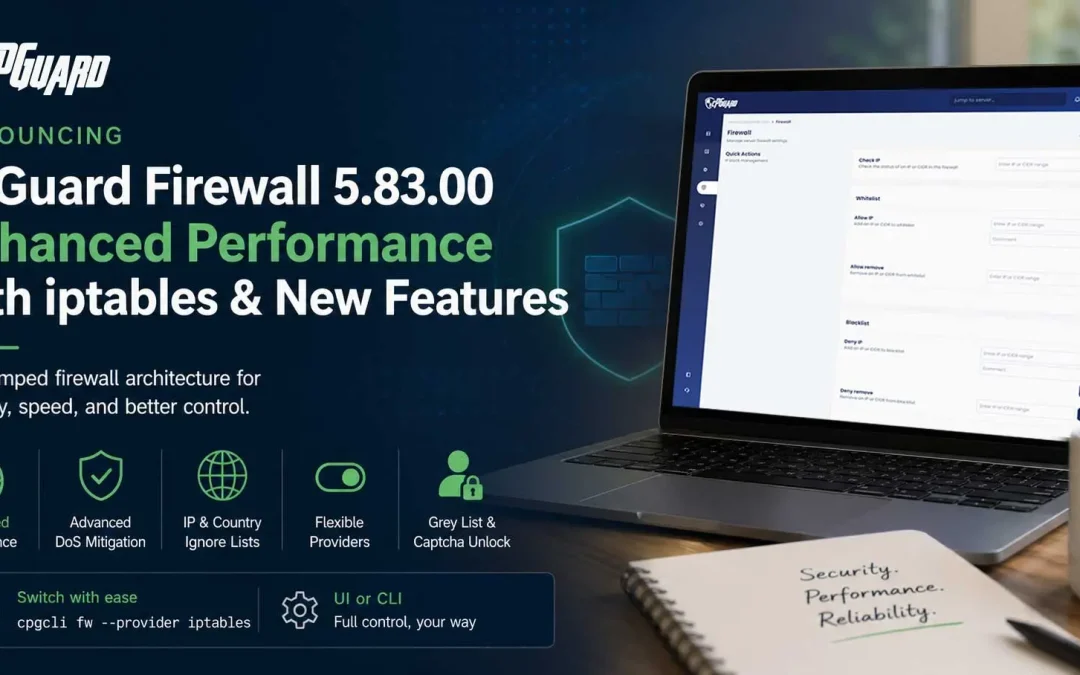
cPGuard Firewall: Enhanced Performance with iptables & new features
Announcing cPGuard Firewall 5.83.00: Enhanced Performance with iptables & New Features We are excited to announce a major update to the cPGuard system firewall. Since our initial NFT-based launch in late 2025, we have been listening closely to your feedback and...
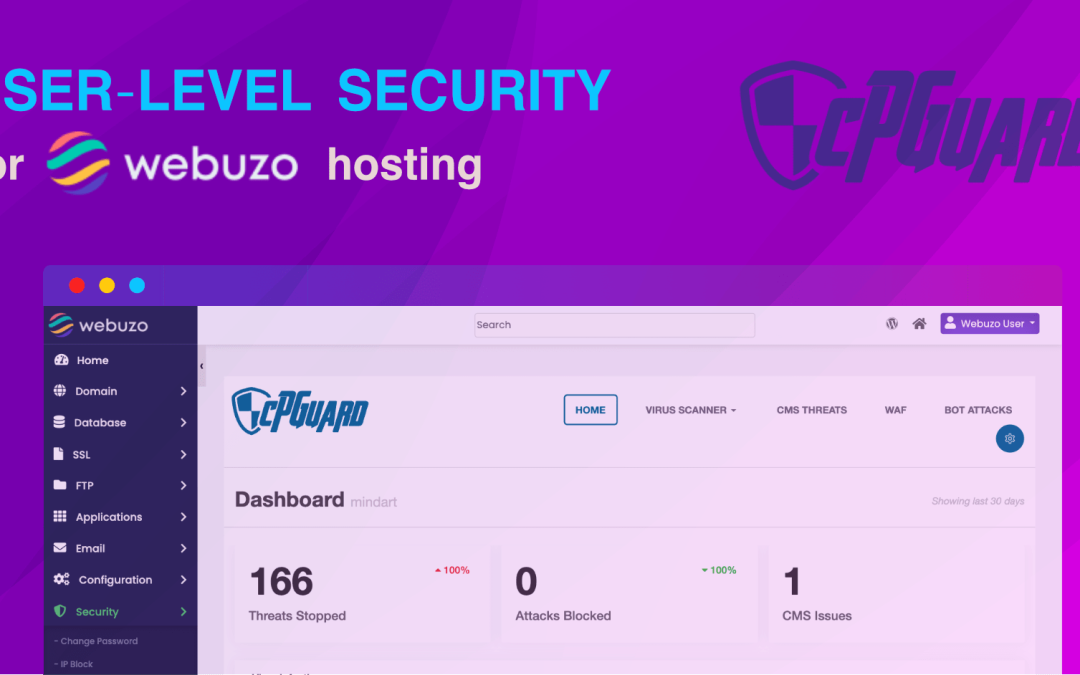
cPGuard Elevates Webuzo Security with New User-Level Plugin Integration
We are thrilled to announce a significant enhancement to the cPGuard ecosystem: the immediate availability of a user-level plugin for the Webuzo control panel. In our latest release, we have bridged the gap between server-side security and end-user control. This...

CSF Retired – Meet the new cPGuard Firewall
For many years, ConfigServer Firewall (CSF) was the go-to solution for Linux server security. It provided simple firewall management and IPS/IDS features that became staples in server hardening guides across the industry. In the early days, cPGuard also relied on CSF...
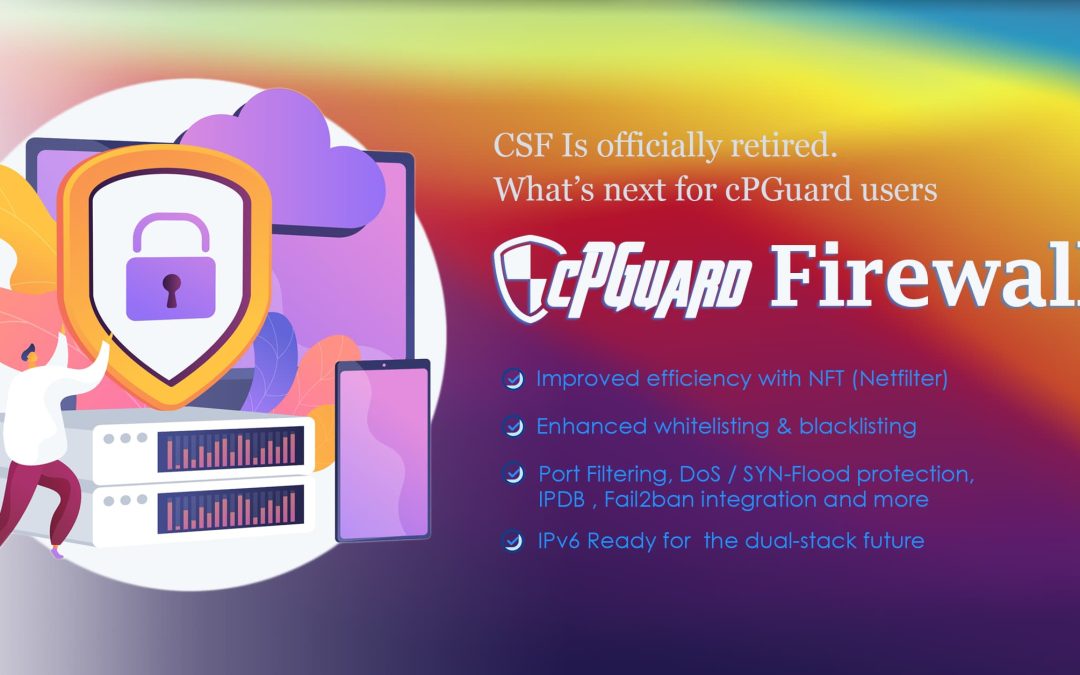
CSF Is Officially Retired. What’s Next for cPGuard Users?
The End of an Era: CSF Is Officially Retired. What’s Next for cPGuard Users? For nearly two decades, ConfigServer Security & Firewall (CSF) has been an indispensable tool for Linux administrators—a trusted first line of defence against malicious IPs. Its deep...
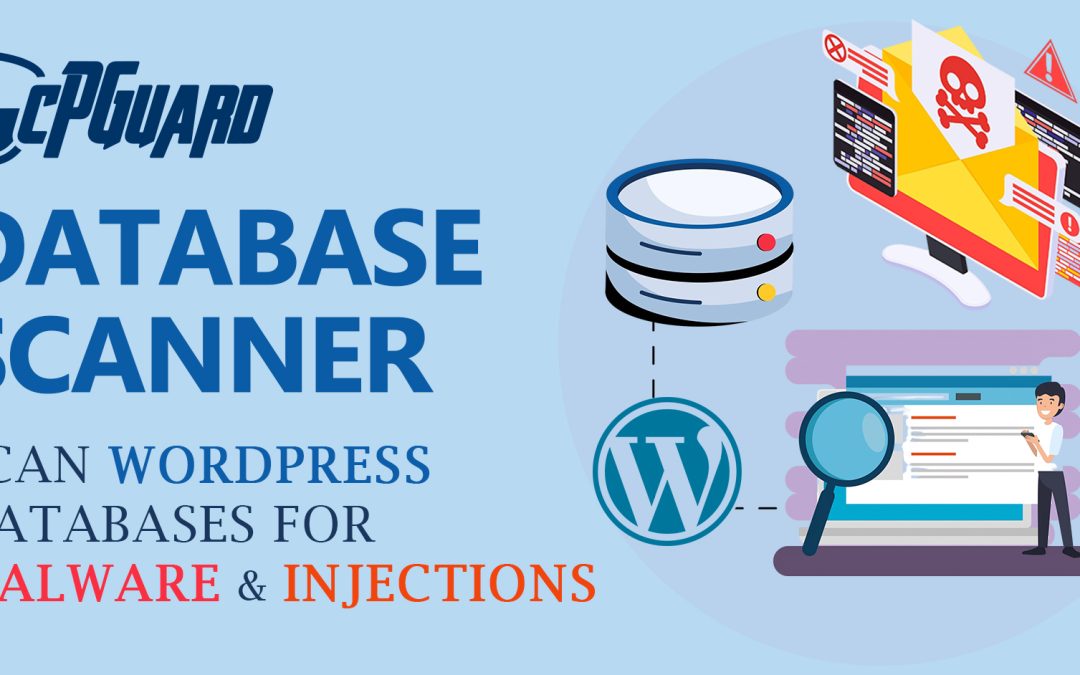
Database Scanning with cPGuard
Website infections are no longer limited to just files — increasingly, attackers are targeting databases as well. Once a vulnerability is discovered, malicious actors can inject harmful code directly into the database. This can result in Redirection of visitors to...

cPGuard AI Scanner: The Future of Website Malware Detection
Revolutionizing Website Security with the cPGuard AI Scanner Introduction At cPGuard, website security is our top priority. We understand the risks that malware infections pose—compromised sensitive data, damaged website reputations, and unexpected downtime. That’s...

cPGuard’s Latest Features: Enhanced Protection Against DoS Attacks and AI Bot Crawling
New Features in cPGuard In the ever-evolving world of web security, staying ahead of cyber threats is critical. cPGuard, a robust security solution, has introduced new features to its IPDB (IP Database) module, designed to block denial-of-service (DoS) attacks and...
Introducing Enhanced WordPress Management in cPGuard: Simplify Security and Updates
Managing multiple WordPress installations on a server has long been a challenging task for administrators. Each installation comes with its own set of themes, plugins, and potential security vulnerabilities, making it difficult to keep everything up-to-date and...
Bad Crawler Protection in WAF Configuration: Enhancing Website Security
In our ongoing commitment to protect your websites from unwanted traffic, we've recently introduced new ruleset in the Web Application Firewall (WAF) configuration named "Bad Crawler Protection." This update replaces the legacy "RBL Protection" rules set. We've phased...
WordPress CVE Vulnerability Monitoring and Patching Using cPGuard
In our ongoing commitment to enhance website security, we have explored various options to monitor and patch vulnerabilities in WordPress and its components. Given that WordPress holds a significant share of compromised websites, particularly in shared hosting...